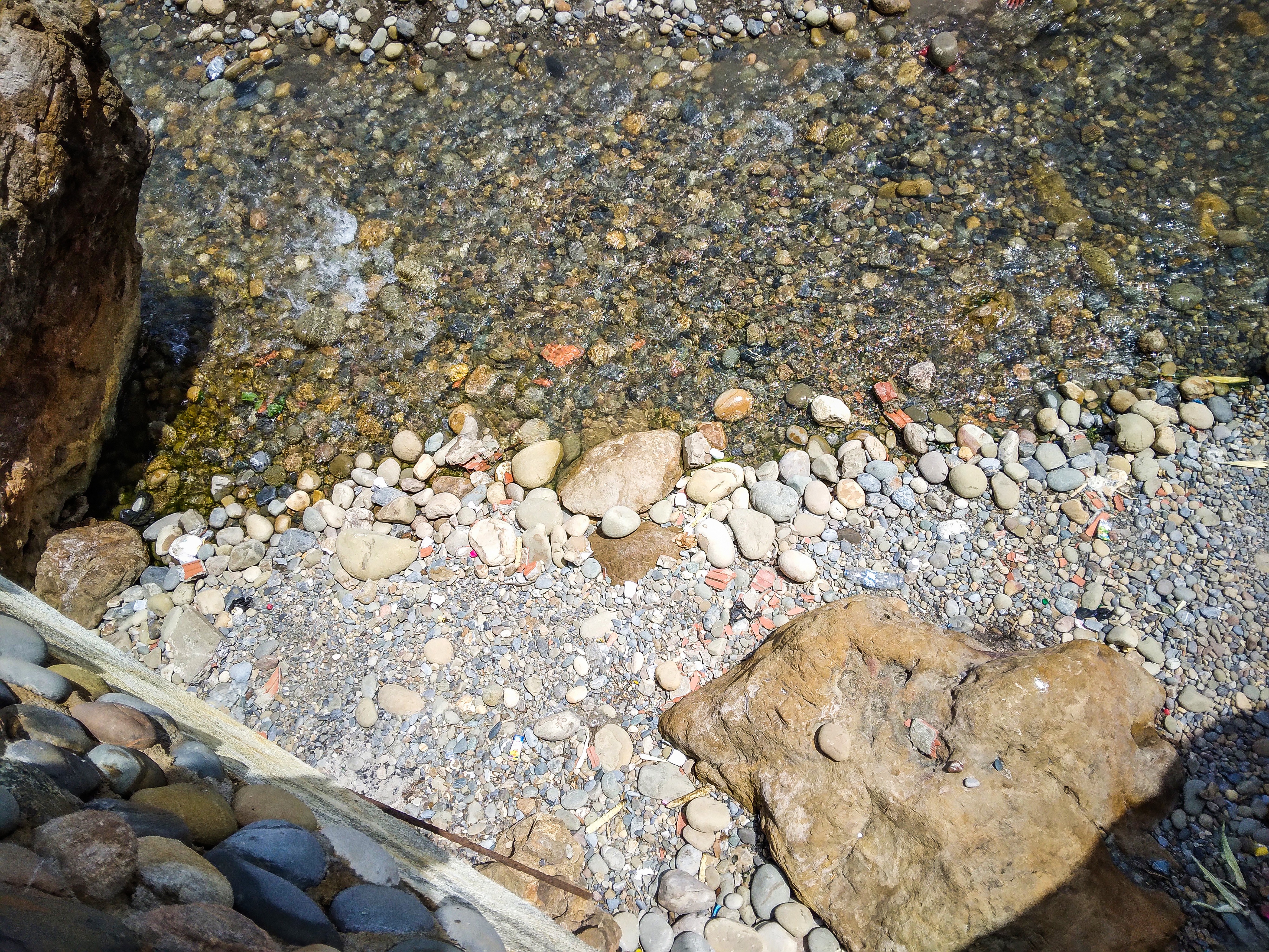
Creek gravel
Creek gravel is valuable once the silt, sticks and oversize are removed. FlipScreen lets you screen it at the bank and produce clean, graded gravel without trucking raw material to a plant.
Processing creek gravel at the work site
Creek gravel is valuable once the silt, sticks and oversize are removed. FlipScreen lets you screen it at the bank and produce clean, graded gravel without trucking raw material to a plant.
Begin by identifying the fraction of creek gravel you want to recover and where each output will go. A compatible FlipScreen attachment combines collection and size separation in the carrier’s working cycle, allowing the operator to place screened material and retained oversize into separate, planned areas.
Choosing a screen for creek gravel
The selected mesh aperture determines which material passes through and which is retained. Match the screen and bucket configuration to the feed characteristics, the carrier’s capacity and the project requirements. A material trial is a practical way to assess the result before committing to a production workflow.
Choose the mesh around the required size fraction for creek gravel, taking account of moisture, abrasion and the amount of fines in the feed. Screening does not crush oversized pieces or replace washing where that is required. Verify grading and other applicable product requirements before using or supplying the screened material.
Plan your creek gravel screening setup
Provide the FlipScreen team with your carrier make and model, hydraulic specifications, expected feed size and the result you need from creek gravel. Include the material’s condition and any site restrictions so a suitable attachment and screen configuration can be assessed. Plan stockpile positions and material movements before work begins to avoid mixing the separated fractions again.
Creek gravel: screening advantages
How it works: Dig from the bank or stockpile and screen in the bucket, stockpiling clean gravel and leaving oversize and debris behind.
The result: Clean creek gravel for driveways, drainage and landscaping, with silt and organic matter separated out.
Interchangeable screens: Choose a screen to suit the product, from a fine cut for path gravel to a coarser screen for drainage stone. One FlipScreen, multiple products from the same stockpile.
Why FlipScreen wins: A grizzly only gives one rough cut and needs a loader to feed it. FlipScreen digs, screens and stockpiles with the one machine.
Screen where it sits: No trucking creek gravel to a fixed plant and back. Float the excavator in with FlipScreen and you're ready to work.
Brush kit for wet conditions: Rain or a wet stockpile doesn't stop the job. The brush kit clears the screen continuously while you screen creek gravel.
Smooth hydraulics: The Smart Valve manages pressures and flows automatically, protecting your machine and keeping the screen running consistently through creek gravel.
Bottom line: Site-won creek gravel becomes a saleable or reusable product instead of a disposal cost.

