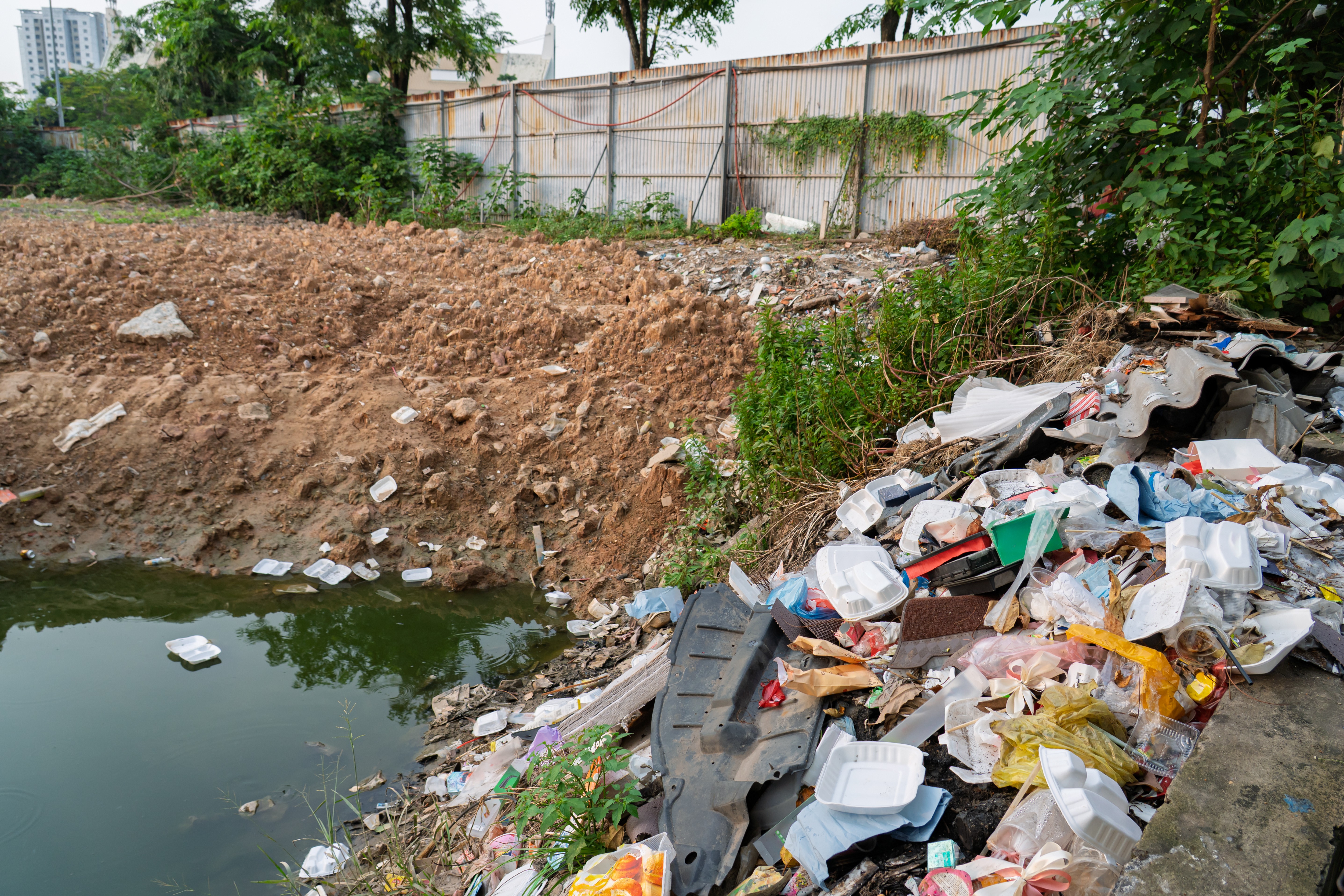
Drain spoil
Drain spoil is wet, mixed and full of debris, which makes it expensive to cart away. FlipScreen screens it right beside the drain, separating reusable fines from rock, roots and rubbish so you only haul what you have to.
Processing drain spoil at the work site
Drain spoil is wet, mixed and full of debris, which makes it expensive to cart away. FlipScreen screens it right beside the drain, separating reusable fines from rock, roots and rubbish so you only haul what you have to.
Begin by identifying the fraction of drain spoil you want to recover and where each output will go. A compatible FlipScreen attachment combines collection and size separation in the carrier’s working cycle, allowing the operator to place screened material and retained oversize into separate, planned areas.
Choosing a screen for drain spoil
The selected mesh aperture determines which material passes through and which is retained. Match the screen and bucket configuration to the feed characteristics, the carrier’s capacity and the project requirements. A material trial is a practical way to assess the result before committing to a production workflow.
Moisture, clay content and organic matter affect how drain spoil moves across the mesh. Trial representative material rather than selecting an aperture on appearance alone. Where reuse is proposed, check suitability for the intended application, including contamination, compaction or growing-medium requirements as appropriate.
Plan your drain spoil screening setup
Provide the FlipScreen team with your carrier make and model, hydraulic specifications, expected feed size and the result you need from drain spoil. Include the material’s condition and any site restrictions so a suitable attachment and screen configuration can be assessed. Plan stockpile positions and material movements before work begins to avoid mixing the separated fractions again.
Drain spoil: screening advantages
How it works: Scoop spoil straight from the drain or stockpile and screen it on the spot, dropping clean fines beside the excavation.
The result: Rubbish, roots and rock are pulled out of drain cleanings so the remaining material can be reused or disposed of more cheaply.
Interchangeable screens: Fit a larger aperture for heavy, debris-laden spoil, or a finer screen when you want reusable material for batters and backfill. Screens change over quickly, so one bucket can make several products.
Better than the alternatives: Shaker buckets clog fast on wet drain spoil, and a stationary screen means loading, feeding and double handling. FlipScreen does it in one pass from the excavator.
Fully portable: FlipScreen goes wherever your excavator goes, so you can screen drain spoil at the dig site with no plant to mobilise, set up or feed.
Screens wet drain spoil: The FlipScreen brush kit keeps the mesh clean as you work, so damp and sticky drain spoil keeps screening instead of blinding the screen.
Smart Valve, plug and play: FlipScreen's Smart Valve system regulates hydraulic pressure and flow for smooth operation, so it connects straight to your excavator's auxiliary hydraulics.
The payoff: Less volume to cart and tip means lower disposal costs on drainage maintenance and council works.

