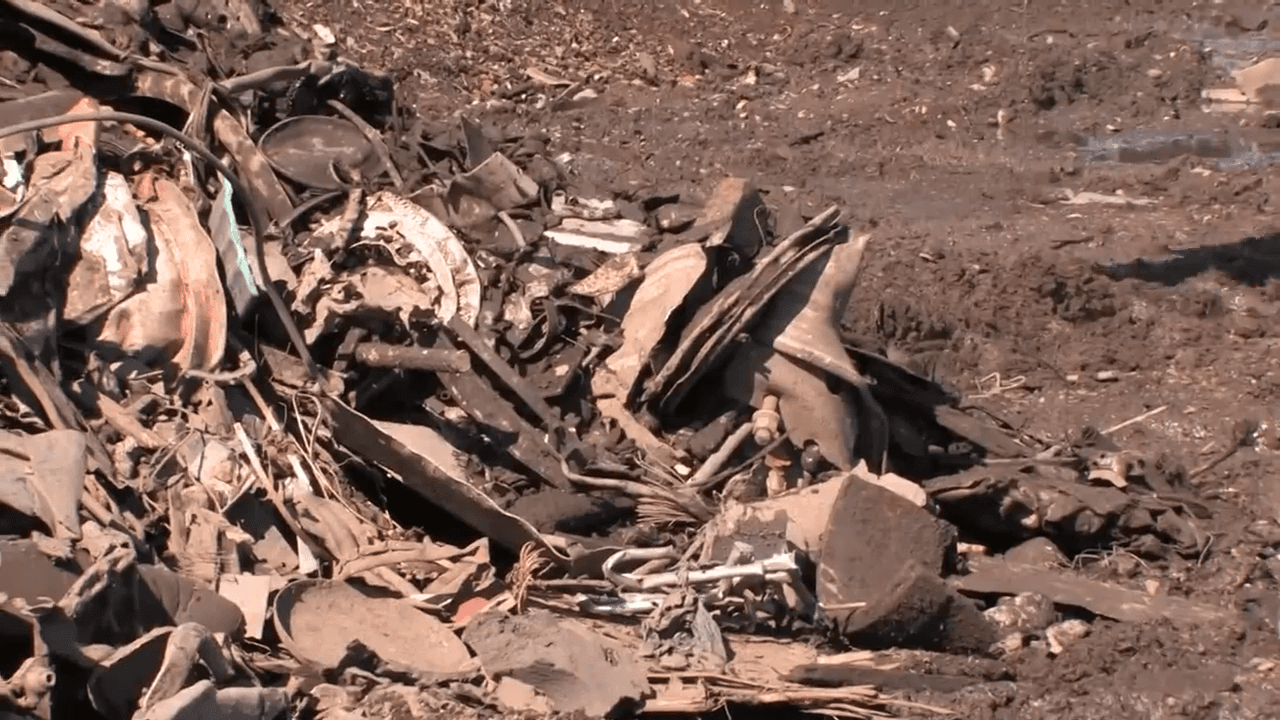
Scrap Metal
Dirt, sand and loose fines add unwanted weight to scrap metal loads. FlipScreen screens mixed scrap on site, separating smaller loose material from larger metal pieces to prepare a cleaner feed for recovery, recycling or further processing.
Remove loose fines before scrap leaves the yard
Scrap recovered from demolition, foundries and industrial sites can carry soil, sand and other loose material. Screening at the stockpile helps separate these smaller fractions before the retained metal is moved to the next stage. Keep both streams in designated areas so recoverable material can be assessed without being mixed back into incoming waste.
Put heavy-duty scrap screening into the working cycle
Load suitable scrap into the FlipScreen bucket using a compatible carrier, then activate the rotating screening action through the machine’s auxiliary hydraulics. Material smaller than the mesh aperture passes through while larger pieces remain in the bucket for separate discharge. Match the attachment, load and screen to the weight and shape of the feed, including bulky castings where approved for the selected model.
Interchangeable screens allow the separation size to be adjusted for different feed streams. Trial representative loads to establish a practical setup: screening separates by size, not by metal type. Small valuable metal can pass through with the fines, so inspect the screened fraction and consider further recovery rather than treating it automatically as waste.
Prepare a better feed for metal recovery
Removing loose dirt and fines can reduce the unwanted material sent to downstream sorting, shredding or transport. It does not replace magnetic separation, alloy sorting or specialist treatment, and it cannot guarantee a buyer’s specification. Check the retained scrap and the undersize stream against your recovery process and acceptance requirements.
Before processing, remove unsuitable items and assess sharp edges, entanglement risks, sealed vessels, batteries and hazardous residues. Follow the attachment’s operating limits and your site’s safe-work procedures. Tell the FlipScreen team your carrier details, typical scrap dimensions, bulk density and recovery goal so an appropriate model and mesh configuration can be assessed.
Scrap Metal: screening advantages
Separate dirt and fines: Remove smaller loose material from larger scrap pieces directly at the stockpile.
Handle demanding feed: Choose a heavy-duty bucket and loading setup suited to the size, shape and weight of your scrap.
Adjust the screening size: Use interchangeable mesh screens to suit different material streams and recovery requirements.
Reduce double handling: Combine loading, screening and separate discharge using compatible machinery already working in the yard.
Support downstream recovery: Prepare screened material for further sorting or processing, with less loose dirt carried forward.
Check both output streams: Inspect undersize for recoverable metal and manage residual material according to testing and site requirements.

